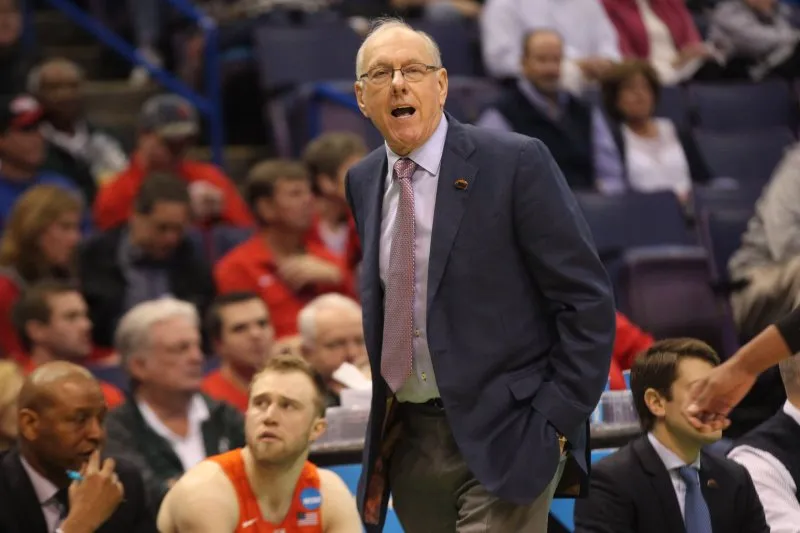
Reports surfaced Wednesday suggesting that longtime Syracuse men’s basketball head coach Jim Boeheim had been asked by university officials to consider retirement following the conclusion of the 2012–2013 season.
According to early reports circulating online and across social media, Syracuse University administrators were allegedly preparing for a leadership change amid ongoing scrutiny surrounding the men’s basketball program. The reports quickly gained attention due to the timing of the NCAA investigation involving the university.
However, no official confirmation was issued by Syracuse University at the time the reports began circulating.
University Response and Clarification
Shortly after the story gained traction, Syracuse officials moved to clarify the situation. A university spokesperson indicated that the reports suggesting Boeheim was being asked to retire were not accurate, and no formal decision regarding his future had been announced.
An initial social media post referencing the report was later removed, adding to confusion but ultimately reinforcing that the information had not been verified through official channels.
Background on Jim Boeheim
Jim Boeheim, who became Syracuse’s head coach in 1976, is one of the most accomplished figures in college basketball history. Under his leadership, the Orange achieved:
-
Multiple Final Four appearances
-
A national championship in 2003
-
Decades of consistent NCAA tournament success
At the time of the report, Boeheim remained actively involved with the program and continued coaching the team through the remainder of the season.
Context: NCAA Investigation
The speculation surrounding Boeheim’s future arose during a period when Syracuse athletics was facing NCAA scrutiny related to compliance issues. While the investigation placed pressure on the program, no official announcement linked the inquiry to Boeheim’s employment status.
As of March 2013, reports that Jim Boeheim had been asked to retire were unsubstantiated. Syracuse University maintained that Boeheim continued as head coach, and no retirement decision had been finalized.
This developing story highlighted the speed at which rumors can spread during high-profile NCAA investigations and underscored the importance of official confirmation before drawing conclusions.
About The Author